
How to Read a Home Inspection Report Without Panicking

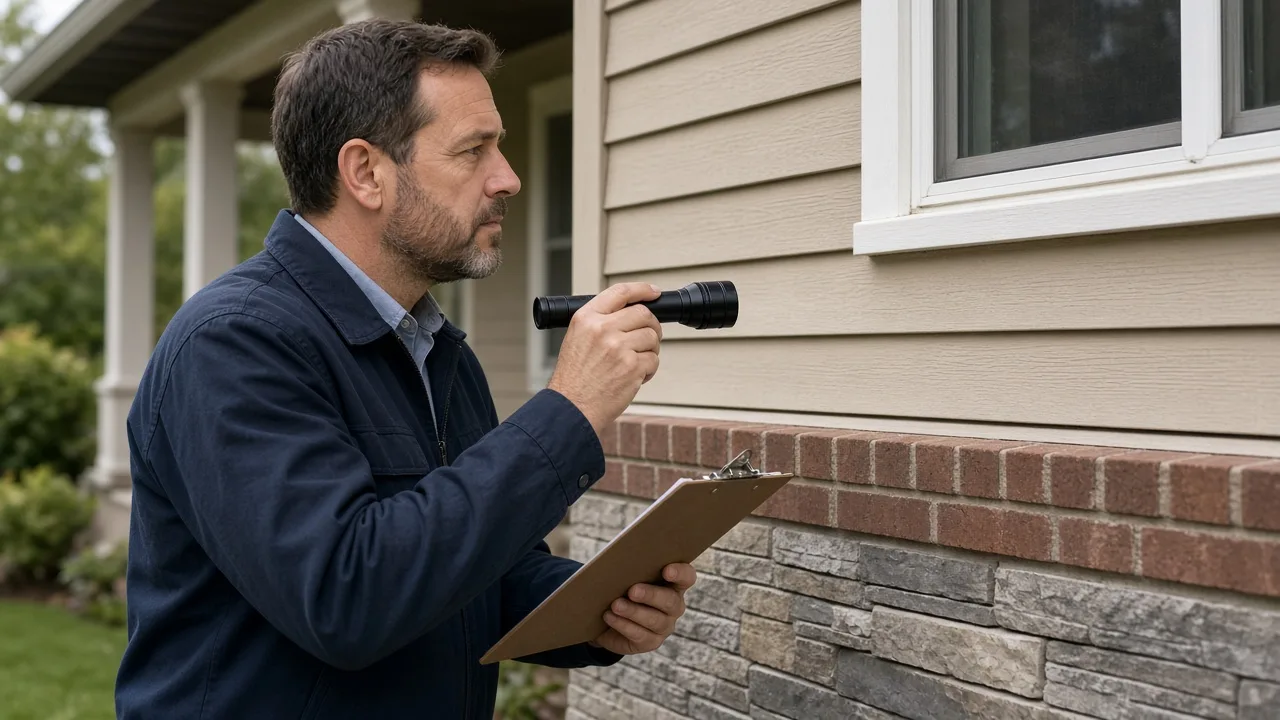
Receiving a thirty-page home inspection report can be alarming. Photos of rusted pipes and cracked caulk fill the pages, and it can seem as if the house is falling apart. In reality, almost every home, including new ones, has defects. The goal is to understand which problems matter and what to do about them.
Start With the Summary
Most reports open with a summary of significant findings, usually grouped by severity. Read that section first, then use the detailed pages to understand each item. Ask your inspector to walk you through the report by phone or in person if anything is unclear.
Sort Issues Into Three Buckets
- Safety and major systems: Active roof leaks, electrical hazards, gas leaks, foundation movement, major plumbing problems and heating or cooling system failure. These deserve immediate attention.
- Repairs that will be needed soon: Aging water heaters, worn roofs, failing seals on windows and aging appliances. These are not emergencies but should be part of your budget.
- Routine maintenance: Loose handrails, minor caulking, clogged gutters and cosmetic items. They are normal for any home.
Use Specialists When Needed
If the inspector recommends further evaluation by a roofer, electrician, plumber, structural engineer or termite specialist, consider doing it during your inspection contingency period. A specialist can provide a repair estimate, which makes it much easier to negotiate.
Negotiating With Sellers
After inspection, buyers can request repairs, ask for a credit, negotiate the price or, within the contingency period, cancel the contract. Focus requests on significant items that affect safety or major systems rather than a long list of small cosmetic issues. Your agent can explain which approach is likely to work in the current market.
Things an Inspection Does Not Cover
A general inspection is visual and noninvasive. It may not include sewer line cameras, mold testing, radon testing or detailed pool and chimney evaluations. If you are concerned about something specific, ask about add-on inspections before the report is prepared.
Keep the Report
Even after closing, the report is a useful maintenance roadmap. Create a simple schedule for replacing filters, servicing the heating and cooling system, cleaning gutters and checking the roof so that small items do not become costly repairs.
Questions Worth Asking the Inspector
Ask which items the inspector would prioritize if it were their own purchase, how old the major systems appear to be, and what routine maintenance is overdue. Their answers give context that a written report cannot always convey, and it helps you decide whether a defect is a deal-breaker or a manageable cost.
This article offers general information and is not a substitute for professional advice from a licensed inspector or real estate professional.
Comments are closed.