
Accessory Dwelling Units in San Diego: What Homeowners Should Know

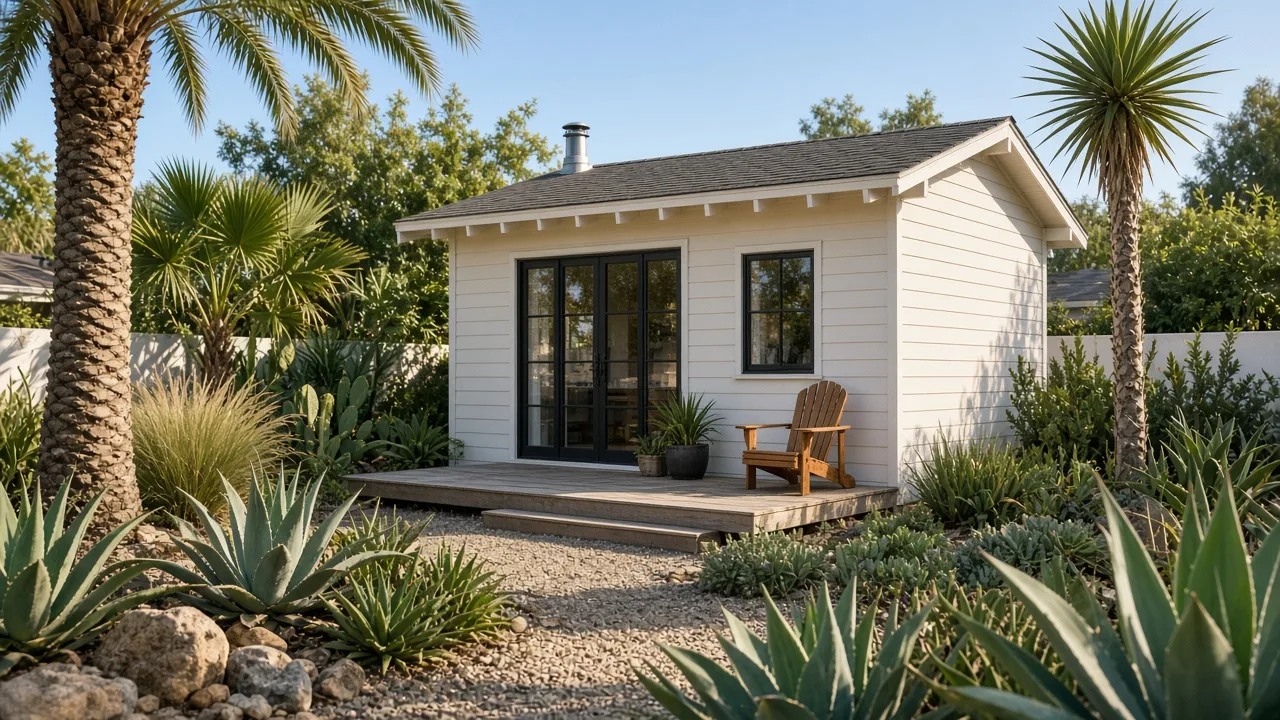
Accessory dwelling units, often called ADUs or granny flats, have become one of the most talked-about ways to add housing in California. For homeowners they can provide space for family, a long-term rental, or additional property value. Because rules are set by both the state and the city or county, it pays to understand the basics before drawing plans.
What Is an ADU?
An ADU is a secondary home on the same lot as a primary residence. It has its own kitchen, bathroom and living area, plus a separate entrance. A junior ADU is a smaller unit built within the existing walls of the main house, usually no larger than 500 square feet.
Common ADU Types
- Detached: A separate small house, often in the backyard.
- Attached: A unit that shares a wall with the main home.
- Garage conversion: An existing garage turned into living space.
- Junior ADU: A small unit created inside the main house.
Permits and Rules
California law has made it easier to build ADUs by limiting how much cities can restrict them, and by setting timelines for permit review. Details still vary by jurisdiction. Setbacks, height limits, parking requirements, utility connections and fire safety rules may all apply, and lots in some areas face additional requirements. Start by checking with your city or county planning department, which can explain current standards and application steps.
Budgeting for an ADU
Costs depend on size, design, site conditions and finishes. Besides construction, budget for design and engineering, permit and impact fees, utility upgrades, landscaping and a contingency of ten to twenty percent for surprises. Get written bids from several licensed contractors and check each license with the state board.
Financing Options
Homeowners commonly use savings, a home equity loan or line of credit, a cash-out refinance, or renovation loans. Some programs designed for ADUs exist, so talk with a lender about what is available and how a new unit could affect your property taxes and insurance.
Renting and Using Your ADU
Many owners rent their ADU long-term or house relatives. Local rules may restrict short-term rentals, and some require owner occupancy in certain circumstances. Understand your obligations as a landlord, including tenant protections and tax reporting.
Next Steps
Define your goals, confirm what your lot allows, interview designers and builders, and ask for a clear timeline and payment schedule. A well-planned ADU can be a flexible asset for years to come.
This article is general information, not legal, tax or financial advice. Rules change, so verify requirements with your local planning department.
Comments are closed.